Risers & Lids
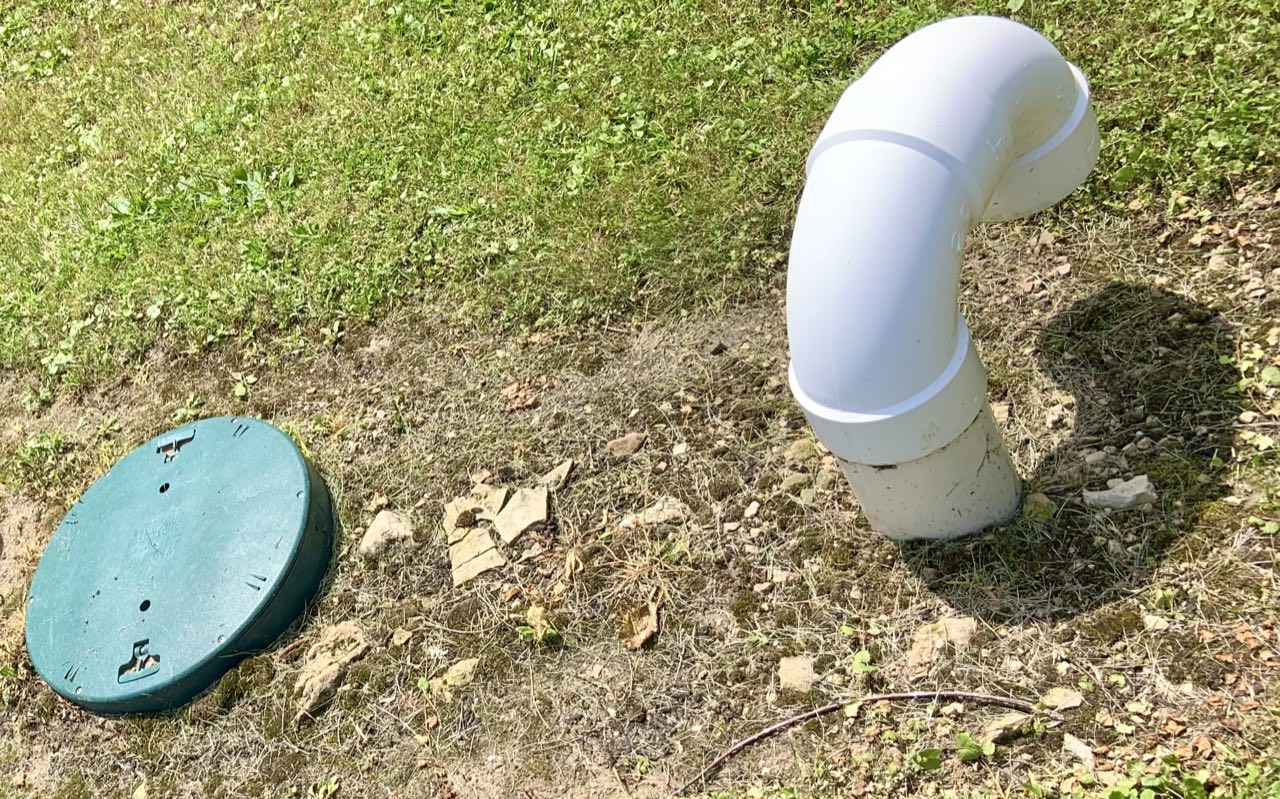
Bring tank access to the surface so future pumping and inspections take minutes — not a shovel and a treasure map.

The cheapest septic service there is. A few hundred dollars every few years protects a system worth tens of thousands — and it’s the single biggest factor in how long your field lasts.
For a typical household, every 3–5 years. Big families, garbage grinders and heavy laundry use push you toward the shorter end. Waiting until there’s a problem usually means solids have already reached the drain field — and that’s how fields die early.
Bring tank access to the surface so future pumping and inspections take minutes — not a shovel and a treasure map.
A filter in the outlet tee keeps solids out of your drain field. It’s the single best cheap insurance for field life.
High-water alarms on pump systems warn you before a failure becomes a backup. Ask for them to be tested at every pump-system service.
Good to know
Every 3–5 years for a typical household. Larger families, garbage grinders and heavy laundry use push toward 3 years. Waiting until there is a problem means solids have already reached the drain field — pumping is cheap, field replacement is not.
A standard residential pump-out in the Central Okanagan typically runs $400–$650 depending on tank size, access and distance. If the tank location is unknown, locating adds a modest fee. Ask your pro to confirm the price before they start — no surprises.
No wipes (even “flushable”), feminine products, grease, paint, solvents, medications or harsh chemical drain cleaners. Garbage grinders overload the tank with solids. The rule is simple: human waste and toilet paper only, plus water from normal household use.
No. A healthy system already has all the bacteria it needs from normal household waste. Most additives are unnecessary at best; some can disrupt the tank's biology or push solids toward the field. Regular pumping beats anything in a bottle.
Start with your as-built records or Interior Health filing, which show the tank location. Probing with a soil rod along the sewer-line exit works when records are missing. Rather not dig up the yard guessing? Your pro can locate it with electronic equipment — call (250) 999-3413.
From the blog
One call connects you with a local pro for pumping — ask them about a reminder schedule.